CPR, AED and Safeguarding
To gain RCGP, trainees must demonstrate evidence of Safeguarding learning as well as competency in Basic Life Support and the use of an AED.
For BLS, a certificate must be issued by a Resuscitation Council (UK) instructor or equivalent, and conform to the Resuscitation Council (UK) guidelines in place at that time.
For safeguarding, you need to have demonstrated some form of knowledge update in your ePortfolio annually and a reflective log entry on both adult and child safeguarding.
RCGP requirementsSafeguarding Training
We put on sessions meeting level 3 of Safeguarding Adults and Safeguarding Children in ST3-A each year (usually held in December/January).

We also discuss safeguarding issues as part of training in ST1 and ST2.
Many training practices have access to online learning modules (such as BlueStreamAcademy), and all trainees can access modules on https://portal.e-lfh.org.uk/. Using e-Learning for Health is recommended as modules are NHS-recognised and so are transferrable between organisations. Additionally;
- RCGP members can access courses at: https://elearning.rcgp.org.uk/
- Doctors.net members can access courses: https://home.doctors.net.uk/
- PREVENT training can be accessed via: https://www.elearning.prevent.homeoffice.gov.uk/edu/screen1.html
- Training regarding Female Genital Mutilation (FGM) can be accessed via https://portal.e-lfh.org.uk/
From an ARCP point-of-view, your portfolio should contain evidence of discussion around safeguarding issues you have experienced during your clinical work.
Basic Life Support (BLS) and Automated External Debrillator (AED) Training
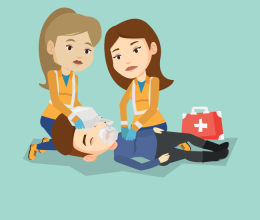
We hold a session for BLS and AED training in conjunction with Bolton FT in ST3-A each year, usually in December.
Many practices will hold a BLS update for their own staff also. Ask your colleagues as you may be able to join other practices if space is available.
RCGP often hosts CPR sessions – check their events page.
For those in hospital-based posts, your host Trust (Bolton FT or GMMH) will have a Clinical Skills department who will undoubtedly run courses. Plan ahead and book onto courses during your placements.
Online BLS/AED courses are no longer acceptable for MRCGP. Please check the requirements of any course you do meet the MRCGP requirement: CPR, AED and safeguarding requirements